Contribution
Architecture, AI-directed implementation, security review, deployment, and operations.
A file-sharing service I host on my own storage. People use it through a browser, while AI agents can access files through an API with defined permissions.
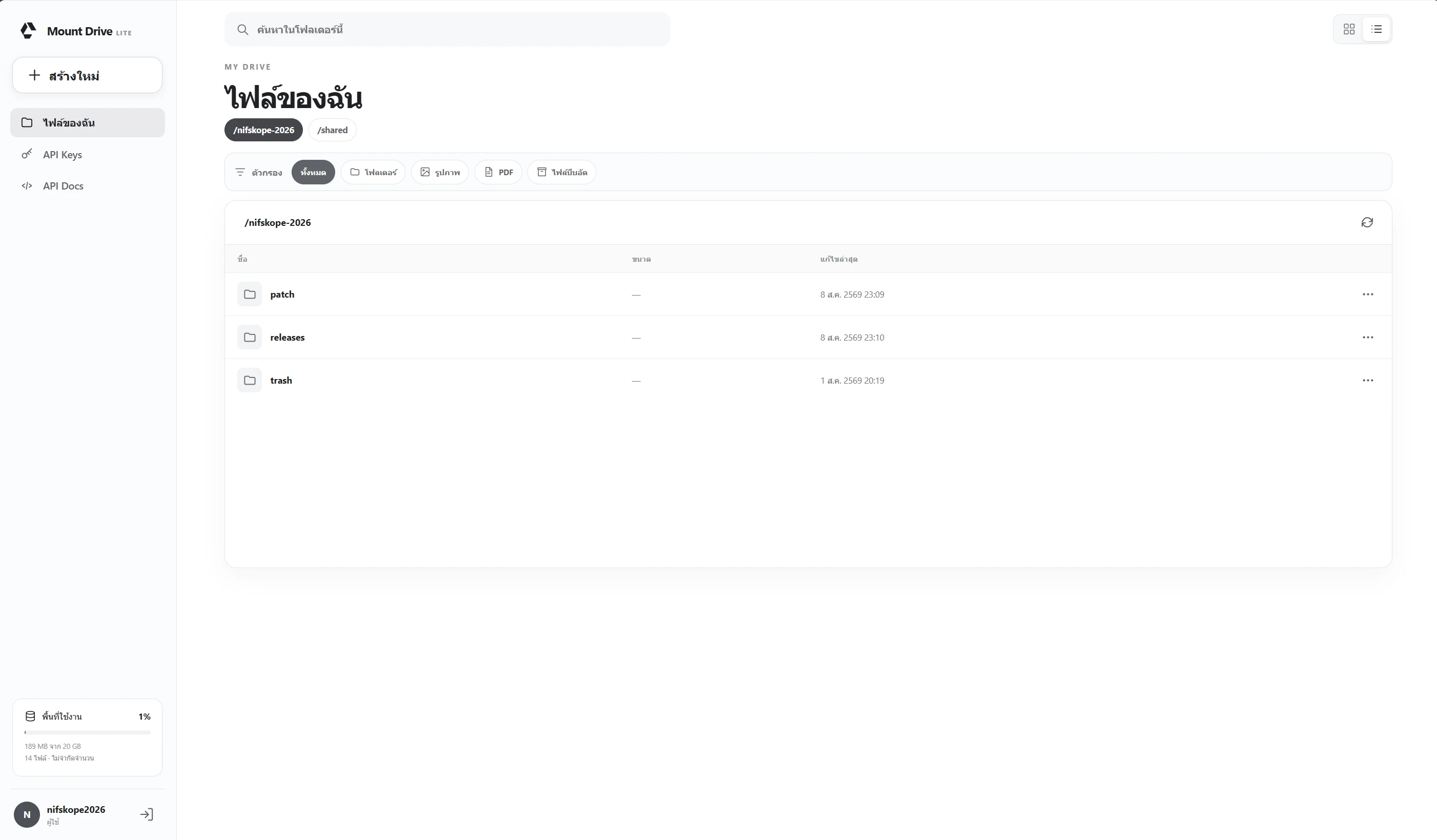
AI agents working across multiple machines need a dependable way to exchange reports, build artifacts, and intermediate files. General-purpose cloud drives can add account dependencies, subscription costs, internet requirements, and authentication flows designed primarily for people.
Mount Drive Lite provides a small, owner-controlled filespace that both people and AI agents can use through the same storage boundary.
The application is a self-hosted portal over mounted storage. It presents a familiar drive interface while enforcing server-side controls around each user and API client.
Mount Drive Lite can remain inside a local network or be published through an approved HTTPS deployment. In both cases, the mounted storage and access policy remain under the owner's control.
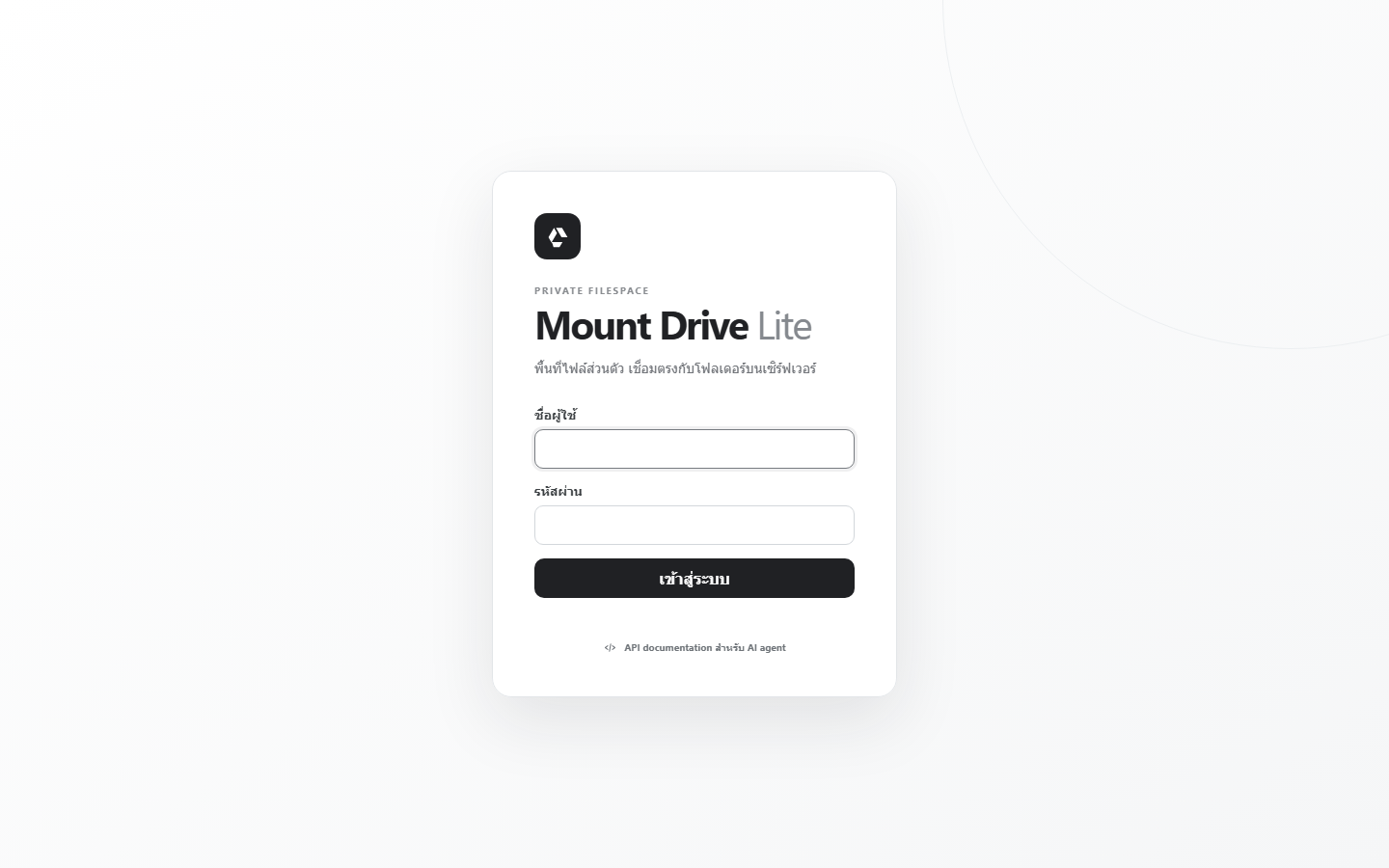
As system designer and reviewer, I defined the storage and permission boundaries, reviewed the AI-produced implementation, and validated that the human interface and agent-facing API followed the same operational model.
Architecture, AI-directed implementation, security review, deployment, and operations.
An AI agent reads the OpenAPI or llms.txt documentation, validates a user-owned scoped API key, discovers allowed paths, and then performs only the file operations granted to that key.
 Live
Client and server development for Zone4, plus tools for the team. I extended NifSkope 2026 with scene and asset editing features to support the game’s content workflow.
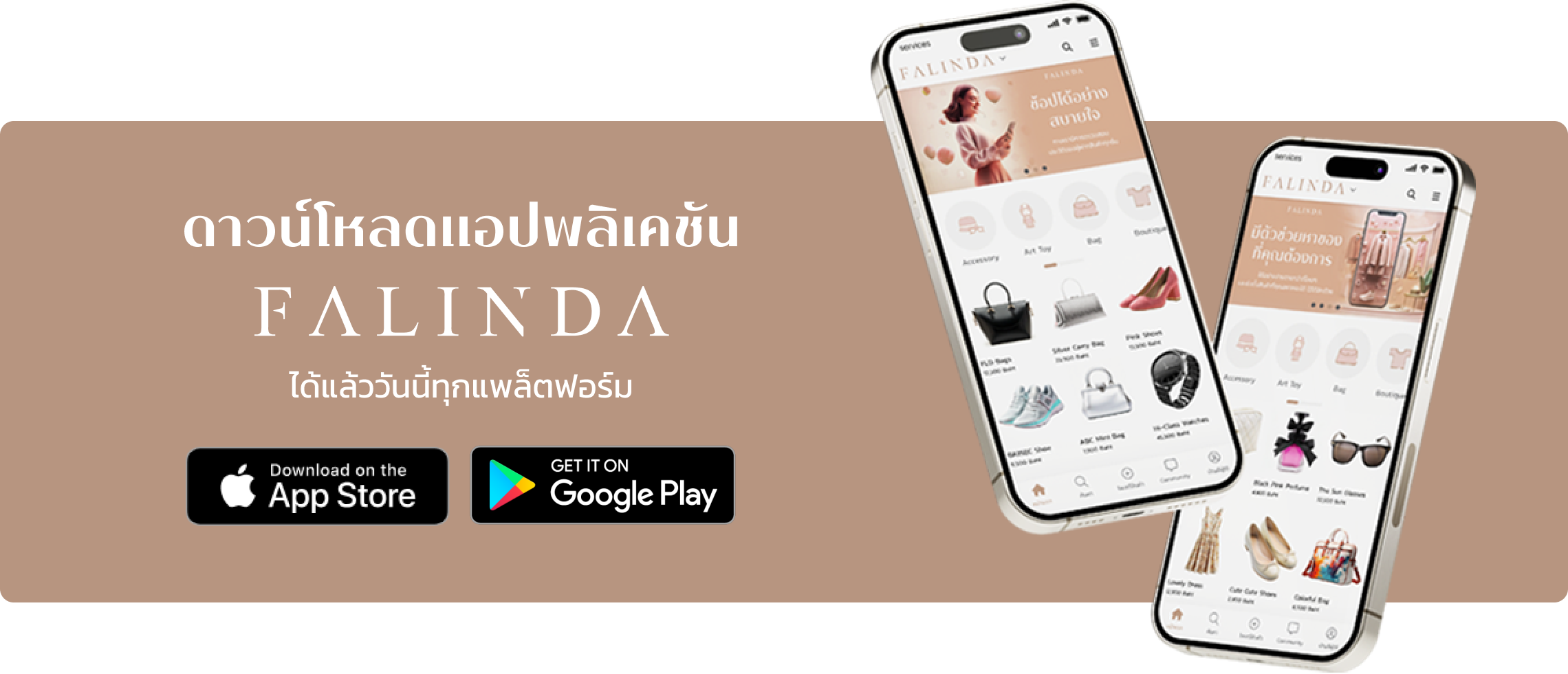 Maintenance
Web, API, and back-office development for a second-hand marketplace. I automated product intake from LINE; reported listing throughput rose from about 15 to over 200 products per operator per hour.
 Live
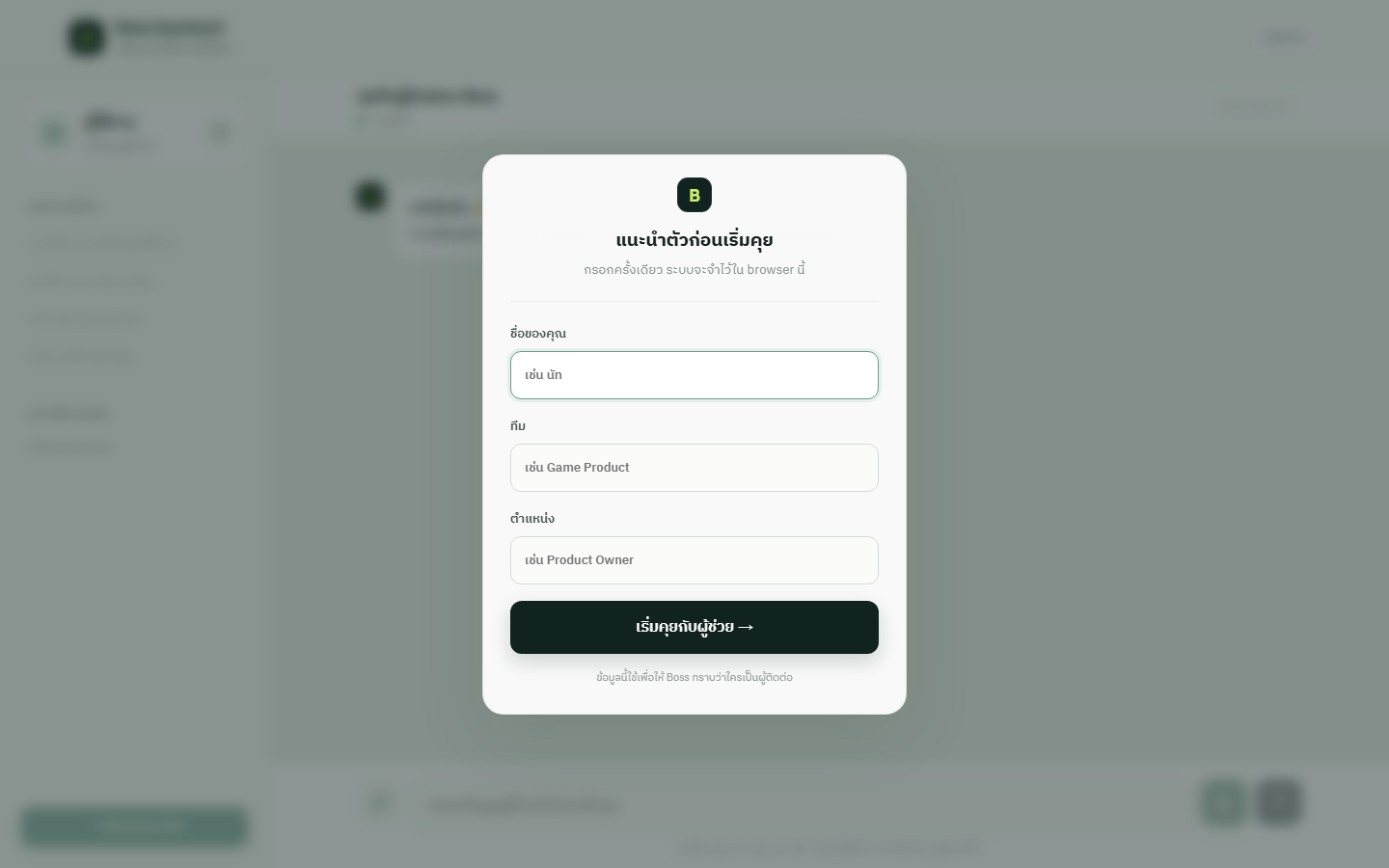
An AI assistant that answers questions about work progress using project data and Google Sheets. Requests that need a decision are passed to a person.